Lower Back Pain (LBP) is defined as pain, muscle tension, or stiffness localized below the costal margin and above the inferior gluteal folds. It is often classified as acute (<6 weeks), subacute (6–12 weeks), or chronic (>12 weeks). While most cases are non-specific in origin, their impact on daily function and productivity can be profound.
Lower Back Pain (LBP) is one of the most common musculoskeletal disorders worldwide, affecting approximately 60–80% of adults at some point in their lives. It poses a significant socio-economic burden, leading to absenteeism, reduced quality of life, and high healthcare costs. Physiotherapy plays a critical role in both the prevention and management of LBP through individualized, evidence-based interventions that aim to restore function, reduce pain, and prevent recurrence.

Recent clinical guidelines advocate for non-pharmacological, patient-centered approaches in LBP management. Among these, physiotherapy stands out as a frontline treatment modality supported by a growing body of scientific evidence.
There are a few roles of physiotherapy in managing LBP cases. Firstly, assessment and diagnosis which the therapist are trained to identify red flags (neurological deficits, fractures, malignancy) and differentiate between mechanical, neuropathic, or sensitization-related pain. A biopsychosocial model is increasingly adopted to address both physical and psychological components of pain.
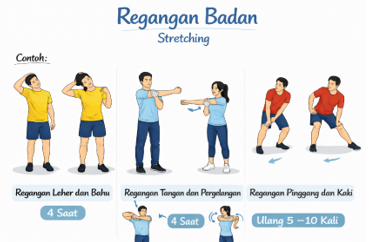
Second, evidence supports that structured exercise is effective in reducing pain and improving function in both acute and chronic LBP. Type of exercise are core stabilization, motor control training, aerobic conditioning, McKenzie method and Functional movement retraining. A Cochrane review (2023) concluded that individualized exercise programs result in greater pain reduction and improved physical function compared to general advice or passive modalities.
Joint mobilization and soft tissue manipulation are part of manual therapy that can provide short-term pain relief and improve mobility, especially when combined with active exercises. Manual therapy is most beneficial in acute or subacute phases when used as part of a multimodal approach.
Besides, patient education regarding pain mechanisms, activity pacing, posture, and the importance of staying active is crucial. Programs such as cognitive functional therapy (CFT) integrate behavioral change and pain science education with functional rehabilitation, showing promising outcomes in chronic LBP cases.
In conclusion, physiotherapy is a cornerstone in the conservative management of lower back pain. When guided by evidence-based practice, physiotherapists can deliver personalized care that reduces pain, enhances function, and prevents long-term disability. A multidisciplinary and patient-centered approach that combines physical, educational, and psychological components remains the gold standard in LBP management.
References
- NICE Guidelines: Low Back Pain and Sciatica in Over 16s (2020)
- Qaseem A. et al. (2022). Noninvasive Treatments for Acute, Subacute, and Chronic Low Back Pain: A Clinical Practice Guideline. Annals of Internal Medicine.
- Hayden JA, Ellis J, Ogilvie R, et al. (2021). Exercise therapy for chronic low back pain: a systematic review. British Journal of Sports Medicine.
- O’Sullivan P. et al. (2023). Cognitive Functional Therapy for Chronic Low Back Pain: A Clinical Update. Journal of Orthopaedic & Sports Physical Therapy.
- WHO Guidelines on Non-Surgical Management of Chronic Primary LBP (2023).
Prepared by:
NURINJAZLINA BINTI ABD KADIR
BAHAGIAN PERUBATAN SUKAN, PKU
18 JUN 2025
Date of Input: 02/07/2025 | Updated: 02/07/2025 | izzatussofia
MEDIA SHARING