Quit Smoking : A Prescription for a Healthier Future
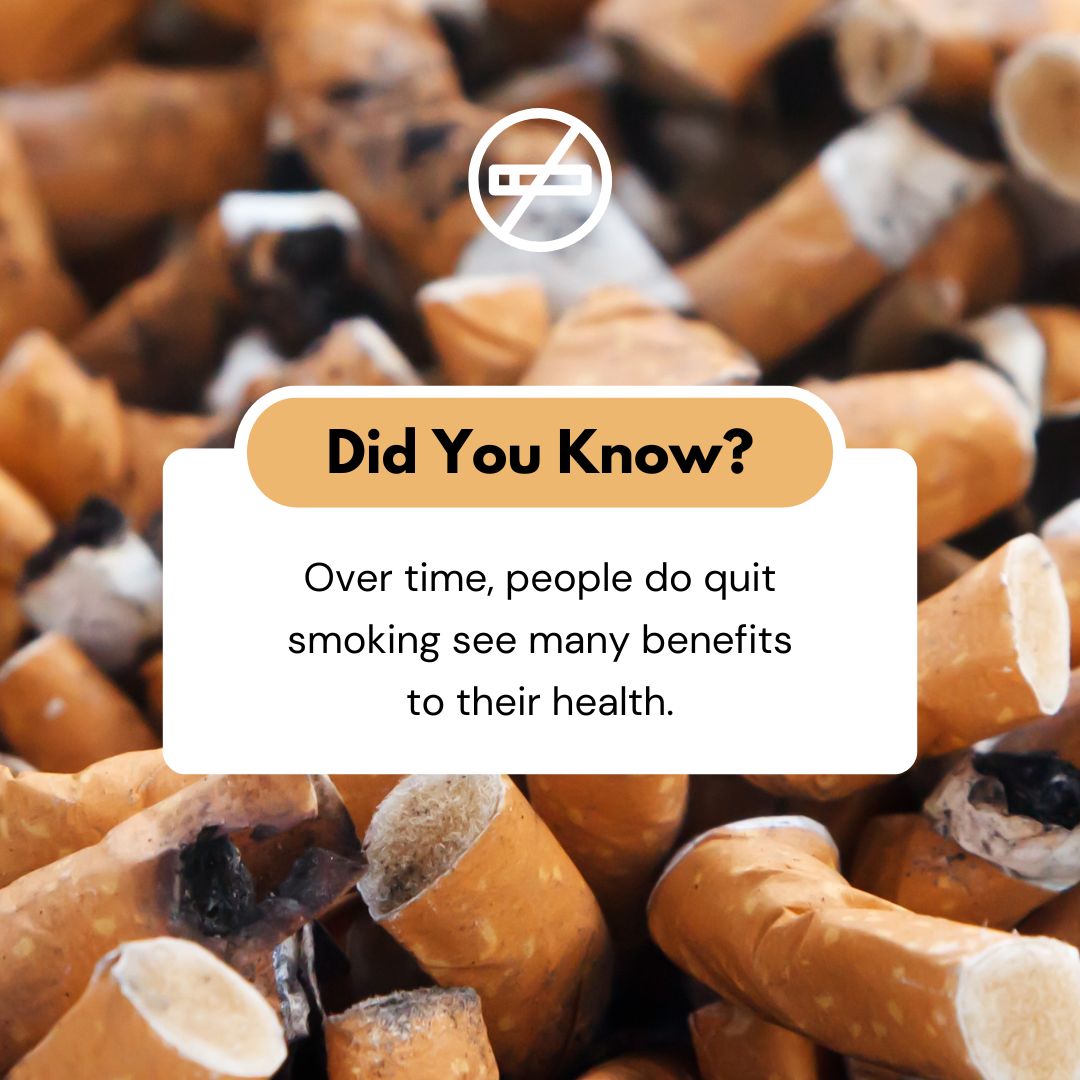
Smoking remains one of the most significant public health challenges of our time. Despite decades of awareness campaigns, tobacco use continues to claim millions of lives each year. The World Health Organization estimates that smoking kills more than 8 million people annually, including 1.3 million non-smokers exposed to secondhand smoke. Yet, the science is clear: quitting smoking delivers immediate and long-term benefits that can transform lives.
The Body Begins to Heal Immediately
- Within 20 minutes: Heart rate and blood pressure drop.
- After 12 hours: Carbon monoxide levels in the blood normalize.
- Within weeks: Circulation improves, lung function strengthens, and coughing decreases.
- Over years: Risks of heart disease, stroke, and multiple cancers decline dramatically.
Protecting Families and Communities
Secondhand smoke is not a harmless exposure. Children living with smokers face higher risks of asthma, ear infections, and sudden infant death syndrome (SIDS). Adults exposed regularly are more likely to develop heart disease and lung cancer. Quitting smoking is not only a personal health decision — it is a protective act for loved ones.
Economic and Social Gains
Beyond health, quitting smoking has tangible financial benefits. In Malaysia, where cigarette prices continue to rise, a pack-a-day smoker can spend thousands of ringgit annually. Quitting frees up resources for healthier pursuits and reduces the burden on healthcare systems.
Strategies That Work
- Set a quit date and prepare mentally.
- Seek professional support: Counseling, quitlines, and support groups increase success rates.
- Use proven therapies: Nicotine replacement products (patches, gum, lozenges) and prescription medications can ease withdrawal.
- Identify triggers: Stress, social situations, or routines often fuel cravings. Replace them with healthier habits like exercise or mindfulness.
- Celebrate milestones: Each smoke-free day is a victory worth acknowledging.
A Public Health Imperative
Quitting smoking is not simply a matter of willpower; it is a public health priority. Governments, healthcare providers, and communities must continue to invest in cessation programs, education, and policies that discourage tobacco use. For individuals, the message is simple: it is never too late to quit. Every cigarette avoided is a step toward a longer, healthier life.
References
: World Health Organization – Tobacco
: CDC – Benefits of Quitting Smoking
: NHS – Benefits of Quitting Smoking
Date of Input: 12/12/2025 | Updated: 12/12/2025 | nur_hazalina
MEDIA SHARING