Ergonomic hazards are among the most common types of occupational hazards found in workplaces. They occur when the nature of the work, equipment, or work environment places excessive strain on the human body. Poor ergonomic conditions can lead to injuries, discomfort, fatigue, and reduced work performance. These hazards are commonly found in offices, factories, healthcare settings, construction sites, and many other industries. Occupational ergonomics focuses on adapting the workplace to fit the worker in order to minimize physical stress and prevent work-related injuries.
Types of Ergonomic Hazards:
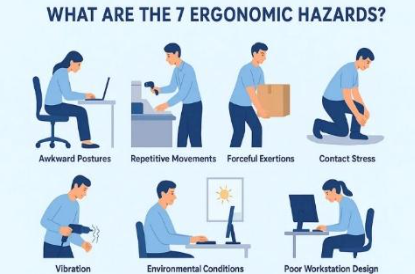
1. Repetitive Motion
Performing the same task repeatedly, such as typing, scanning items, or assembly work, can strain muscles and tendons. This may result in repetitive strain injuries (RSIs).
2. Awkward Posture:
Working in unnatural positions, such as bending, twisting, reaching overhead, or slouching, places stress on the body and increases the risk of injury.
3. Manual Handling
Lifting, carrying, pushing, or pulling heavy objects improperly can cause back injuries, muscle strain, and joint damage.
4. Prolonged Static Position
Sitting or standing for long periods reduces blood circulation and causes muscle fatigue, discomfort, and lower back pain.
5. Poorly Designed Workstations
Incorrect desk height, uncomfortable chairs, or improper monitor placement can lead to neck pain, shoulder strain, and wrist problems.
6. Excessive vibration
Strong or prolonged shaking or oscillating movement that a worker is exposed to, usually from tools, machines, or vehicles.

Health Effects of Ergonomic Hazards
Exposure to ergonomic hazards may lead to musculoskeletal disorders (MSDs), including:
- Back pain
- Neck and shoulder strain
- Carpal tunnel syndrome
- Tendinitis
- Muscle fatigue
- Joint pain

These conditions can affect workers’ productivity, quality of life, and ability to perform daily tasks.
Prevention and Control Measures
Employers and employees can reduce ergonomic hazards through several preventive measures:
Engineering Controls
- Adjustable chairs and desks
- Ergonomic tools and equipment
- Proper workstation layout
- Mechanical lifting aids

Administrative Controls:
- Job rotation
- Scheduled rest breaks
- Ergonomic training programs
- Limiting repetitive tasks
Safe Work Practices:
- Maintaining proper posture
- Using correct lifting techniques
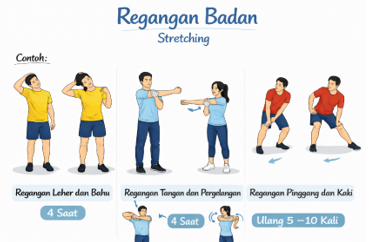
- Stretching regularly
- Adjusting workstations to individual need

Importance of Ergonomics in Occupational Safety
Managing ergonomic hazards is essential in occupational health and safety because it:
- Prevents workplace injuries
- Reduces absenteeism
- Improves productivity
- Enhances employee comfort and morale
- Lowers healthcare and compensation costs
Conclusion:
Ergonomic hazards are important occupational risks that can adversely affect workers’ health, safety, and productivity if they are not effectively managed. By identifying ergonomic risk factors and implementing appropriate workplace improvements, organizations can reduce the likelihood of musculoskeletal disorders (MSDs) and promote a safer and healthier working environment. Effective ergonomic practices not only enhance employee comfort and well-being but also contribute to improved efficiency, performance, and overall organizational productivity.
Disediakan oleh:
Dr Siti Noor Azlidah Binti Ali
Doktor Kesihatan Pekerjaan
9 June 2026
Date of Input: 09/06/2026 | Updated: 09/06/2026 | khairulhaziq
MEDIA SHARING